 Türkçe
What Is Hair Mesotherapy? Hair mesotherapy is a medical aesthetic procedure in which specialized mixtures of vitamins, minerals, amino acids, and gro..
Read More >
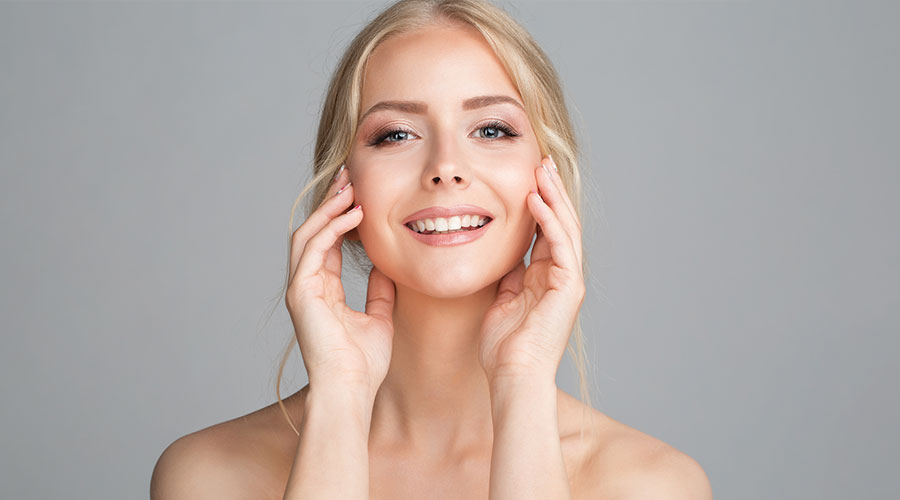
Face mesotherapy is a medical aesthetic procedure in which vitamins, minerals, amino acids, hyaluronic acid, and growth factors that the skin needs are injected directly into the middle layer of the skin (the mesoderm) through fine needles or specialized application devices. The fundamental philosophy of mesotherapy is to deliver active substances to deep tissue layers that superficial skincare products cannot reach, thereby directly supporting cell renewal, collagen synthesis, and the overall health of the skin at the target point. This approach is the fundamental characteristic that fundamentally distinguishes face mesotherapy from superficial skincare and elevates it among the most effective skin rejuvenation methods in the field of medical aesthetics.
Face mesotherapy is not a treatment that focuses on a single problem; it is a multidimensional treatment protocol that simultaneously targets many different skin concerns such as wrinkles, skin dryness, sagging, dull complexion, enlarged pores, and loss of skin elasticity. The content of the injected cocktail is determined individually by a specialist physician according to the person’s skin type, age, skin concerns, and general health status; this personalization approach is the most critical element that brings the effectiveness of the treatment to its maximum level.
The mesotherapy technique, first developed in 1952 by French physician Michel Pistor, has gained a wide range of applications in the fields of dermatology and aesthetic medicine over time. Preferred by millions of people worldwide today, face mesotherapy has secured an indispensable place among skin rejuvenation procedures with its rapid recovery process, minimal side effect profile, and long-lasting results. This treatment, which requires no surgery, minimally affects daily life, and offers a cumulative effect, can be successfully applied both for preventive purposes at a young age and for restorative purposes at a more advanced age.
Understanding the mechanism of action of face mesotherapy is of great importance for correctly shaping expectations from this treatment. The application triggers a biological process far deeper and more complex than superficial skincare.
When the injected active substances reach the mesoderm layer of the skin, multiple mechanisms are simultaneously activated. The first is the direct nutritional supplementation effect; follicles and skin cells are directly exposed to active substances at a concentration that cannot be reached through blood circulation, and cellular metabolism is revitalized in this way. The second is the minimal trauma effect created by the micro-injections; the healing response initiated by the contact of the needle tips with the skin activates fibroblast cells and stimulates collagen and elastin synthesis. The third is the rebalancing of the skin’s water balance by moisture-retaining components such as hyaluronic acid; this effect creates a noticeable feeling of plumpness and radiance in the skin. With all these mechanisms working together, face mesotherapy produces a comprehensive rejuvenation effect that renews the skin both from within and from without.
One of the most important elements that determine the quality and effectiveness of face mesotherapy is the formulation of the cocktail used. While ready-made mesotherapy cocktails are available on the market, experienced physicians most often prefer formulations customized according to the individual’s skin needs.
Hyaluronic acid is one of the fundamental components of face mesotherapy cocktails. This substance, naturally produced by the body, deeply moisturizes the skin with its powerful moisture-retention capacity, adds volume, and smooths the surface. Vitamin C, with its powerful antioxidant properties, prevents free radical damage while also directly supporting collagen synthesis and contributing to evening out skin tone. B-group vitamins accelerate cell renewal, regulate skin metabolism, and increase the overall vitality of the skin. Coenzyme Q10 is a powerful antioxidant that supports energy production and whose anti-aging effects have been scientifically proven. Amino acids support the firmness and elasticity of the skin by forming the building blocks of collagen and elastin. Growth factors directly stimulate collagen renewal and tissue repair by increasing fibroblast activity.
Face mesotherapy addresses a wide patient population from different age groups with different skin concerns. Individuals who may benefit from this treatment constitute a very broad profile.
Those experiencing early signs of aging (noticing changes such as fine lines, dryness, and dull complexion in their skin from their 30s onward) are ideal candidates for face mesotherapy. Those experiencing sun damage-related skin spots, uneven skin tone, and pigmentation concerns; those who complain of visibly enlarged pores; individuals with acne scars and superficial skin irregularities; and those who wish to improve overall skin quality and achieve radiance can also benefit significantly from this treatment. In addition, face mesotherapy offers an extremely effective solution for those who wish to quickly revitalize and brighten their skin before an important event or special occasion.
However, pregnant and breastfeeding individuals, those with an active skin infection or inflammatory condition, patients with blood coagulation disorders, and those with a known allergy to formulation ingredients should avoid this treatment or must consult a physician.
Face mesotherapy is a brief procedure performed by an experienced physician in a clinical setting that does not require hospitalization. Before the procedure, the physician evaluates the person’s skin type, existing concerns, and general health status in detail; a personalized formulation is prepared in accordance with this evaluation.
On the day of the application, the face is cleansed and freed from makeup and surface impurities. A topical anesthetic cream is applied and approximately 20 to 30 minutes are waited; this period both minimizes the sensation of discomfort and ensures that the anesthetic effect fully takes hold. Once the anesthetic effect has set in, the prepared mesotherapy cocktail can be applied using several different methods. In the traditional manual injection method, the physician uses fine-tipped micro-needles to inject the cocktail point by point into different areas of the face. Automatic application devices known as dermapen or mesogun create numerous micro-perforations, both producing a mechanical stimulation effect and facilitating the passage of active substances into the skin. The electroporation method is a needle-free alternative that uses electrical waves to allow active substances to pass through the skin barrier; however, the efficacy of this method is considered more limited compared to needle-based applications.
A face mesotherapy session is completed in an average of 30 to 45 minutes and the patient can return to their daily life on the same day. The treatment protocol is generally planned as 4 to 6 sessions once every 2 to 4 weeks in the initial phase; results are then preserved over the long term with sessions repeated every 1 to 3 months as part of maintenance treatment.
In face mesotherapy treatment, results emerge gradually and this gradual process is a natural characteristic of the treatment. After the first session, a sense of vitality and increased radiance may be felt in the skin; however, this early-period effect largely stems from the moisture-retention capacity of hyaluronic acid and is not fully permanent.
From the second and third sessions onward, a more fundamental renewal begins in the skin with the stimulation of collagen synthesis. Skin tone evens out and the dull complexion appearance decreases, fine lines soften, and a noticeable improvement in overall skin quality is observed. When 4 to 6 sessions are completed, skin firmness and elasticity increase noticeably; pores shrink, the skin surface becomes smoother, and moisture balance is reestablished. Full and lasting results generally reach their most prominent state 1 to 2 months after the completion of the treatment protocol. Regularly continuing maintenance sessions is of great importance for the long-term preservation of the results.
In face mesotherapy, the number and frequency of sessions are determined individually according to the person’s skin condition, age, and expectations from the treatment. Nevertheless, general treatment protocols provide a certain framework.
For mild skin concerns and preventive applications, 4 sessions generally constitute a sufficient initial protocol. For moderate wrinkles, sagging, and pigmentation concerns, a protocol of 6 to 8 sessions offers more comprehensive and lasting results. For prominent signs of aging and serious skin concerns, 10 or more sessions may be required; in these cases, the treatment process is spread over a longer time period. In the maintenance treatment phase, applying 2 to 4 sessions per year depending on seasonal changes is generally sufficient. Since the response to treatment varies from person to person, the final decision regarding the number of sessions is always determined through physician evaluation.
Face mesotherapy is not a single-type application; various protocols exist for different skin concerns and different goals. This variety further expands the personalization capacity of the treatment.
Moisturizing mesotherapy is a protocol primarily containing hyaluronic acid and applied particularly for dry, dehydrated, and dull-looking skin. It deeply moisturizes the skin, giving it radiance and plumpness; this protocol, which offers noticeable results in a short time, is also frequently preferred for pre-special occasion applications. Brightening mesotherapy is a specialized protocol developed primarily using vitamin C, glutathione, and various brightening components, targeted at skin spots, uneven skin tone, and dull complexion. Anti-aging mesotherapy is a comprehensive treatment approach focused on wrinkles, sagging, and general signs of aging, with a content rich in growth factors, peptides, and antioxidants that stimulate collagen synthesis. Pore tightening mesotherapy is a protocol containing special formulations targeted at enlarged pores and oily skin concerns, refining the skin texture. Acne mesotherapy is a targeted application for individuals with active acne or those struggling with acne scars, consisting of anti-inflammatory and tissue-repairing components.
Compared to other skin rejuvenation procedures in the field of medical aesthetics, face mesotherapy presents its own unique advantages and differences. Understanding these differences is of great importance for choosing the treatment most suitable for an individual’s needs.
Compared to botox, face mesotherapy does not restrict muscle movements; instead, it nourishes and renews the tissue beneath the skin. For this reason, while botox offers a more effective solution for deep dynamic wrinkles caused by mimetic muscles, face mesotherapy comes to the fore in improving overall skin quality and softening superficial lines. Compared to chemical peeling, face mesotherapy deeply nourishes and renews the skin rather than superficially exfoliating it; the recovery process is shorter and the risk of sun sensitivity remains at a much lower level. Compared to laser treatments, face mesotherapy stands out for being safely applicable to every skin type regardless of skin color and for not requiring downtime. Combination with PRP treatment, due to these two applications perfectly complementing one another, produces an extremely powerful and comprehensive skin rejuvenation result.
Complying with several important rules after face mesotherapy both increases the effectiveness of the treatment and prevents possible side effects.
Immediately after the procedure, touching the face, rubbing it, and applying pressure should be avoided. For the first 24 hours, the face should not be washed and makeup should not be applied; during this period, the necessary time is granted for the active substances applied to be fully absorbed by the skin. Activities such as intense exercise, sauna, Turkish bath, and swimming pools should be postponed for the first 48 hours. Avoiding prolonged and direct sun exposure and using broad-spectrum sunscreen are of critical importance during this period; UV rays can both prolong the healing process and pave the way for pigmentation problems. Alcohol consumption should be stopped for at least 24 hours before and after the procedure. The use of aggressive skincare ingredients such as retinol and AHA should also be postponed for the first few days.
Although face mesotherapy is generally considered a safe procedure, as with every medical application, some side effects may be encountered. The vast majority of these side effects are temporary in nature and resolve on their own within a short time.
The most frequently observed side effects are mild redness, swelling, and bruising at the injection points. These symptoms generally resolve on their own within 24 to 72 hours. In some patients, a sensation of burning or tightness lasting a few hours may be experienced after the procedure; this is normal and passes quickly. In very rare cases, an allergic reaction to the formulation ingredients may develop; for this reason, it is of great importance for individuals who have previously had an allergy to similar products to inform their physician before the procedure. In face mesotherapy applications performed by inexperienced hands, unwanted situations such as infection, permanent bruising, or irregular filler distribution may occur; this once again demonstrates how critical the choice of physician is.
Face mesotherapy prices vary depending on many factors such as the location and qualification of the clinic, the physician’s experience, the content and quality of the formulation used, the application method, and the number of sessions. Applications using ready-made cocktails and those using individually customized cocktails differ in price; personalized contents generally require a higher cost.
When package applications are evaluated, more advantageous pricing is generally offered compared to single-session prices. It is extremely important for those considering face mesotherapy to make their decision not only based on the price criterion but also by taking into account the physician’s experience, the quality of the products used, and the clinic’s hygiene standards. Rather than choosing the most affordable option, an application performed with quality products under the supervision of a reliable and experienced physician constitutes a far more valuable investment both in terms of safety and satisfaction with the results.
The sensation of discomfort during the procedure is largely kept under control thanks to the topical anesthetic cream applied before face mesotherapy. The extremely fine tips of the micro-needles used is another important factor that minimizes discomfort. Most patients describe the procedure as a mild tingling or needle-prick sensation, and generally evaluate it as a quite tolerable experience.
Face mesotherapy can be applied to almost every skin type including dry, oily, combination, sensitive, and mature skin. Since the content of the formulation can be customized according to the person’s skin type and concern, the treatment can be safely preferred for a wide skin profile. However, in inflammatory skin conditions such as active acne, skin infection, or rosacea, physician evaluation must be conducted before the application.
Face mesotherapy and PRP treatment are extremely compatible and complementary applications. Many clinics combine these two treatments in the same session or as consecutively applied sessions. Since this combination offers the effect of both externally provided active substances and the body’s own growth factors together, it produces far more comprehensive results than either method applied alone.
It is recommended that makeup not be applied for the first 24 hours after face mesotherapy. This period is necessary for the active substances injected to be fully absorbed by the skin and for the injection points to close. After 24 hours, light and mineral-based makeup products can be used; however, movements that apply intense pressure to the surface should be avoided for the first few days.
The results of face mesotherapy vary depending on the person’s skin structure, age, lifestyle, and the number of sessions applied. After the completion of the full treatment protocol, results are generally preserved noticeably for 6 to 12 months. This period can be significantly extended with regular maintenance sessions and a healthy skincare routine. Sunscreen use, adequate water consumption, and a balanced diet are also among the important lifestyle factors that contribute to the long-term preservation of results.
What Is Hair Mesotherapy? Hair mesotherapy is a medical aesthetic procedure in which specialized mixtures of vitamins, minerals, amino acids, and gro..
Read More >