What Is Hyperhidrosis Botox?
Hyperhidrosis botox (sweating botox) is a botulinum toxin injection applied in the treatment of hyperhidrosis, known as the condition of excessive and uncontrolled sweating. This application temporarily blocks the nerve endings that stimulate the sweat glands in areas such as the underarms, palms, soles of the feet, and forehead, offering a scientifically based and effective solution to the sweating problem that seriously affects daily life.
Sweating is a natural and necessary physiological process the body resorts to in order to maintain heat balance. However, in the condition defined as hyperhidrosis, this process gets out of control; the person sweats excessively even in the absence of a triggering factor such as heat, exercise, or stress. This situation not only creates physical discomfort but also constitutes a psychological burden that profoundly shakes social relationships, professional life, and the person’s self-confidence. In severe cases where deodorants and antiperspirants prove insufficient, hyperhidrosis botox stands out as one of the most effective and longest-lasting solutions to this condition.
Hyperhidrosis botox application is recognized as an approved method for the treatment of hyperhidrosis by the FDA and European drug authorities. Millions of people worldwide benefit successfully from this treatment; a noticeable improvement in both physical comfort and quality of life is observed after the application.
What Is Hyperhidrosis and Why Does It Occur?
To correctly understand hyperhidrosis botox treatment, it is first necessary to grasp what hyperhidrosis is and through what mechanism it emerges. Hyperhidrosis is a chronic condition characterized by the excessive and uncontrolled functioning of the sweat glands. It presents in two different forms: primary and secondary hyperhidrosis.
Primary hyperhidrosis is a condition that develops without an underlying medical cause and is generally associated with genetic predisposition. It is characterized by excessive sweating focused on specific areas such as the underarms, palms, soles of the feet, and face; sweating during sleep generally does not occur. Secondary hyperhidrosis, on the other hand, develops in connection with an underlying health problem such as diabetes, hyperthyroidism, menopause, obesity, or the use of certain medications, and affects a wider area of the body. Although hyperhidrosis botox can be applied in both forms, it yields particularly powerful results in primary hyperhidrosis.
How Does Hyperhidrosis Botox Work?
The mechanism of action of hyperhidrosis botox is based on the principle of botulinum toxin temporarily interrupting nerve-gland communication. The sweat glands are activated by being stimulated through the sympathetic nervous system. When botulinum toxin is injected, the transmission of a neurotransmitter substance called acetylcholine, secreted from these nerve endings, to the sweat glands is blocked. Sweat glands that cannot receive the signal can no longer be activated, and sweating stops or decreases very noticeably.
This effect remains limited to the injected area only; the sweating function in the other areas of the body is completely preserved. Therefore, hyperhidrosis botox does not completely disable the body’s heat balancing mechanism; it only brings excessive sweat production in the problematic area under control. This characteristic makes the application both a safe and a target-focused treatment.
Who Is Hyperhidrosis Botox Applied To?
Hyperhidrosis botox is a treatment method intended for individuals whose quality of life has significantly declined due to excessive sweating complaints. However, not every case of excessive sweating may be suitable for this application; correct patient selection is of great importance for the success of the treatment.
In general, patients with the following profile can be considered suitable candidates for hyperhidrosis botox:
- Individuals who have been clinically diagnosed with hyperhidrosis
- Severe sweating cases where deodorants and antiperspirants prove insufficient
- Those experiencing serious restrictions in their social and professional life due to excessive sweating
- Patients in whom sweating continues in secondary hyperhidrosis despite treatment of the underlying cause
On the other hand, pregnant and breastfeeding individuals, those with a known allergy to botulinum toxin, and those with neuromuscular disease should not have hyperhidrosis botox. A specialist physician evaluation must be conducted before a decision to proceed with the application is made, and the possibility of secondary hyperhidrosis must be ruled out.
Which Areas Is Hyperhidrosis Botox Applied To?
Hyperhidrosis botox can be applied to many different areas of the body. The application area is determined according to the person’s complaint and the area where sweating is concentrated.
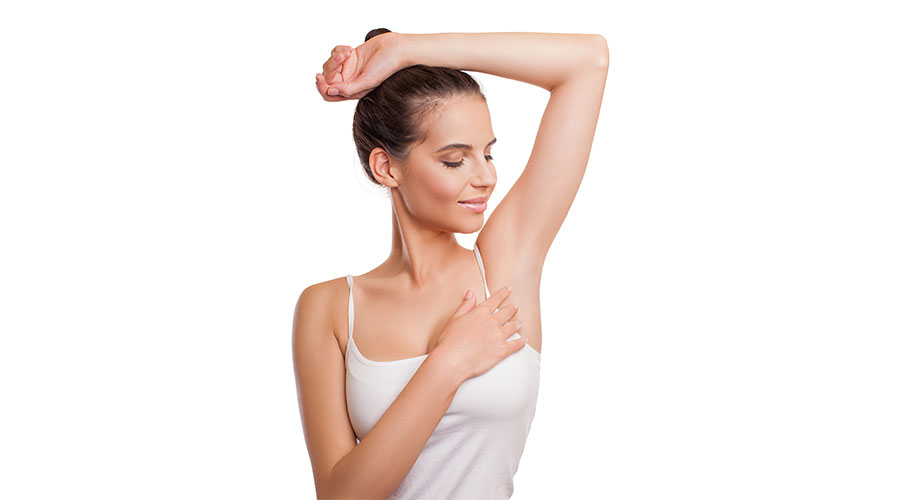
The underarm is the area where hyperhidrosis botox is most frequently applied. Since the sweat glands in this area are dense and create the most noticeable discomfort in daily life, hyperhidrosis botox has become the first choice in underarm hyperhidrosis. Palm hyperhidrosis botox is an option applied in cases of excessive hand sweating that seriously affects daily activities such as handshaking, keyboard use, and playing musical instruments. Hyperhidrosis botox applied to the soles of the feet also offers an effective solution for individuals with similar complaints who experience secondary problems such as foot odor and susceptibility to fungal infections. In addition, excessive sweating in the face and forehead area can also be brought under control with hyperhidrosis botox; this application is also preferred particularly in cases of gustatory sweating, which is characterized by redness and sweating on the face while eating.
How Is Hyperhidrosis Botox Applied?
Hyperhidrosis botox is a brief procedure performed by an experienced physician that does not require hospitalization. Before the procedure, an iodine-starch test can be performed to identify the areas where sweating is most intense; this test allows the application points to be planned with greater precision.
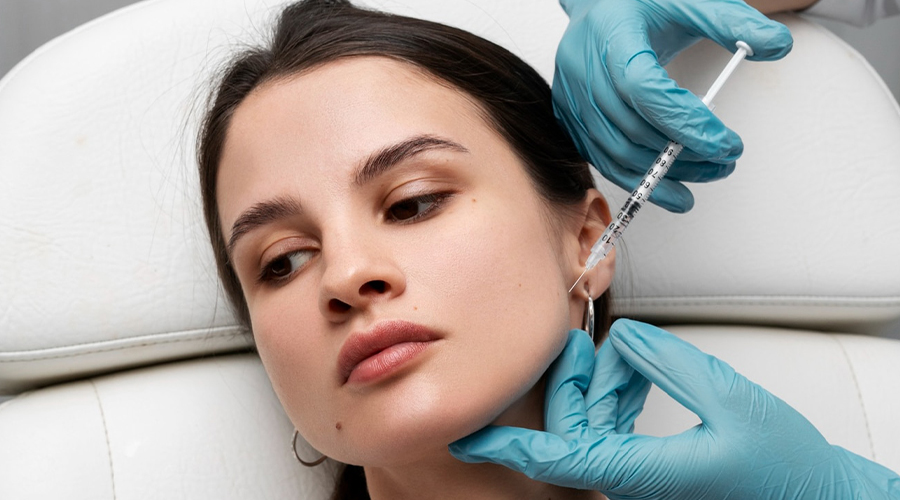
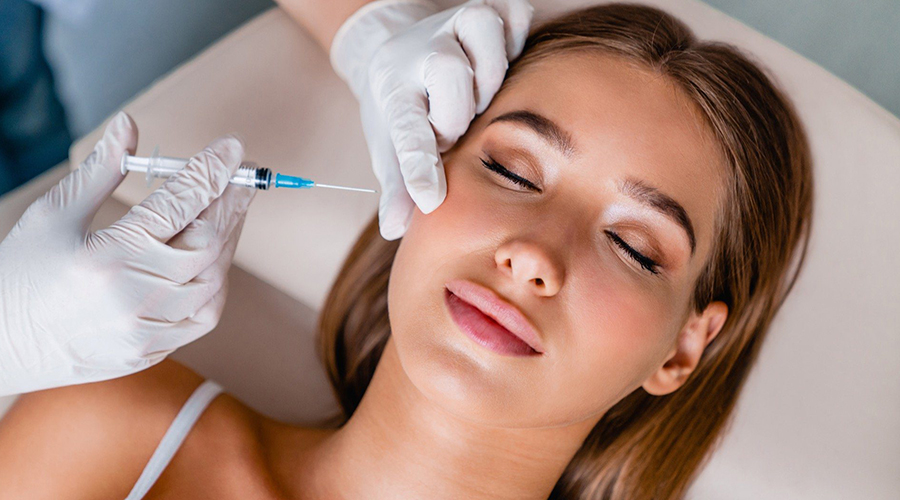
After the application area is cleansed, a topical anesthetic cream is applied and a certain period of time is waited. For sensitive areas such as the palms and soles of the feet, regional anesthesia using the nerve block method may be preferred; because injections in these areas can cause more discomfort compared to other areas. Once the anesthetic effect has set in, botulinum toxin is applied at the determined points in small, equally spaced doses using fine-tipped injectors. While underarm application takes an average of 15 to 20 minutes, the hand and foot areas may require somewhat more time.
The effect of hyperhidrosis botox begins 2 to 5 days after the injection and the full effect manifests within 1 to 2 weeks. The effect, which lasts an average of 6 to 12 months in the underarm area, may follow a course of 4 to 6 months in the palms and soles of the feet. These periods can be further extended with regularly repeated applications.
Recovery Process After Hyperhidrosis Botox
The recovery process after hyperhidrosis botox is quite rapid and comfortable. After underarm application, most patients can return to their daily activities on the same day.
Immediately after the procedure, mild redness and swelling may be observed at the injection points; these symptoms generally resolve on their own within a few hours. It is recommended that deodorant or cosmetic products not be applied to the application area for the first 24 hours. Activities such as intense exercise, sauna, and warm showers should be postponed for the first 48 hours. After hyperhidrosis botox applied to the hand and foot areas, mild weakness or a change in sensation lasting a few days may be experienced; this is temporary and resolves on its own within a short time.
Differences Between Hyperhidrosis Botox and Other Hyperhidrosis Treatments
Compared to other methods used in hyperhidrosis treatment, hyperhidrosis botox offers important advantages both in terms of efficacy and long-lasting relief. While antiperspirants provide a temporary and superficial effect, hyperhidrosis botox directly intervenes at the source of the sweat glands. Iontophoresis is an option particularly used in hand and foot sweating, but its frequent repetition requirement can negatively affect patient compliance. Surgical sympathectomy offers a permanent solution but carries the risk of causing serious and irreversible side effects such as compensatory sweating. Hyperhidrosis botox is positioned as the ideal balance point between these two extremes; its effect is powerful and long-lasting, while its side effects are minimal and temporary.
Frequently Asked Questions About Hyperhidrosis Botox
1- Is hyperhidrosis botox a permanent solution?
Hyperhidrosis botox is a temporary treatment method. The effect, which lasts an average of 6 to 12 months in the underarm area, can be spread over a longer period with regularly repeated applications. Although in some patients a permanent reduction in sweat gland activity has been observed as a result of long-term regular applications, this situation does not yield the same result in every patient.
2- Is hyperhidrosis botox a painful procedure?
Underarm application occurs at a largely tolerable level with the help of a topical anesthetic cream in the vast majority of cases. However, since the palm and sole areas are more sensitive, regional anesthesia may be preferred in applications to these areas. In general, hyperhidrosis botox is evaluated as a manageable procedure in terms of pain.
3- When does the effect begin after hyperhidrosis botox?
The effect of hyperhidrosis botox generally begins to be felt 2 to 5 days after the injection. Full effect may take an average of 1 to 2 weeks to settle. During this period, a gradual decrease in the amount of sweating is observed.
4- If sweating in one area of the body is stopped, do other areas sweat more?
This is among the most frequently asked questions by those considering hyperhidrosis botox. The risk of compensatory sweating seen in surgical sympathectomy remains at an extremely low level in hyperhidrosis botox application. The fundamental reason for this is that botulinum toxin exerts only a local effect in the injected area and works through a mechanism that does not disrupt the body’s overall sweat balance.
5- Who should not have hyperhidrosis botox?
Pregnant and breastfeeding individuals, those with an allergy to botulinum toxin, those with neuromuscular disease, and those using blood-thinning medication must conduct a detailed evaluation with their physician before having hyperhidrosis botox. Additionally, in cases of secondary hyperhidrosis developing in connection with an underlying disease, treating the primary condition may need to take priority first.
 Türkçe