 Türkçe
What Is Face Mesotherapy? Face mesotherapy is a medical aesthetic procedure in which vitamins, minerals, amino acids, hyaluronic acid, and growth fac..
Read More >
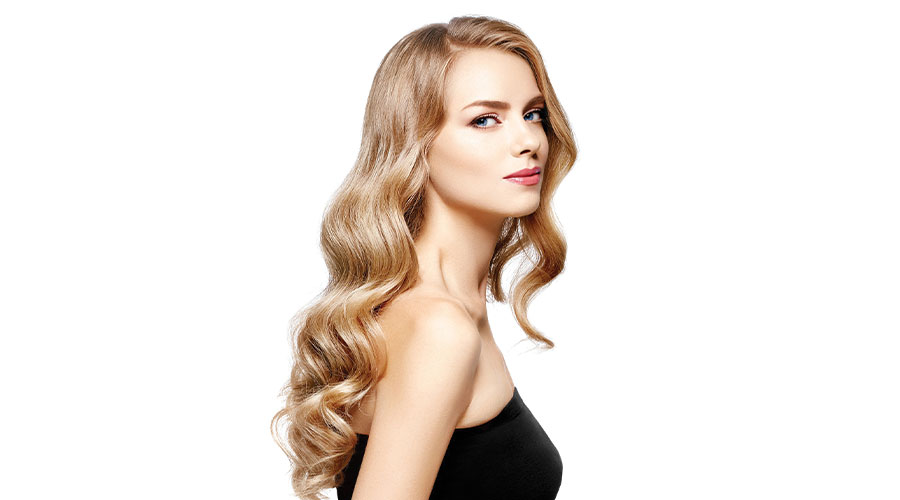
Hair mesotherapy is a medical aesthetic procedure in which specialized mixtures of vitamins, minerals, amino acids, and growth factors applied to the scalp to prevent hair loss and support hair growth are injected directly into the target tissue with the help of fine needles. The fundamental principle of mesotherapy is to deliver active substances directly to the area in need rather than through systemic circulation, thereby achieving maximum efficacy at a minimum dose. This approach makes hair mesotherapy both a safe and a targeted treatment option.
Hair mesotherapy is a comprehensive treatment protocol that aims not only to stop hair loss but also to revitalize hair follicles, increase the thickness and strength of hair strands, improve blood circulation in the scalp, and stimulate new hair growth. The injected mixture can vary from person to person; formulations customized according to the type and severity of hair loss and the individual’s general health status constitute one of the most important advantages of this treatment.
The mesotherapy technique, first developed in 1952 by French physician Michel Pistor, gained a wide range of applications in the fields of aesthetics and dermatology in the subsequent decades. Its applications in the field of hair health have become increasingly widespread in recent years, supported by scientific research, and hair mesotherapy has today joined the ranks of the most frequently consulted methods in hair loss treatment worldwide. Not requiring surgical intervention, having an extremely limited side effect profile, and being applicable with personalized formulations are the primary characteristics that make this treatment attractive.
To correctly evaluate hair mesotherapy treatment, it is first necessary to understand the fundamental causes of hair loss. Hair loss is not a simple condition linked to a single cause but a complex process that emerges from the combination of many genetic, hormonal, environmental, and lifestyle-related factors.
Androgenetic alopecia (hereditary hair loss) is the most common type of hair loss seen in both men and women. Due to genetic predisposition, hair follicles gradually shrink and lose their function over time; this process manifests itself in men as a noticeable hairline recession and in women as general thinning. Stress-related hair loss known as telogen effluvium occurs when a large proportion of hair strands simultaneously enter the shedding phase following triggers such as intense physical or emotional stress, major surgical operations, the postpartum period, and serious illnesses. Nutritional and hormonal problems such as iron deficiency, thyroid disorders, zinc deficiency, and vitamin D deficiency are also among the important factors that accelerate hair loss. It is precisely at this point that hair mesotherapy offers the most direct and effective intervention; by delivering the nutrients and growth factors that follicles need directly to them, it enables the scalp to be revitalized.
One of the most critical elements that determine the efficacy of hair mesotherapy is the content of the formulation used. A standard hair mesotherapy cocktail contains many different active substances, and these ingredients create a synergistic effect that complements one another.
Biotin (Vitamin B7) plays a critical role in strengthening the keratin structure of the hair strand and maintaining follicle health. Zinc stands out as an indispensable mineral in regulating the hair growth cycle and preserving follicle structure. Hyaluronic acid preserves the moisture balance of the scalp, creating the foundation for follicles to develop in a healthy environment. Growth factors are biological substances that directly support the renewal of follicle cells and the lengthening of the active phase of the hair growth cycle. In addition, amino acids form the building blocks of the hair strand, while B-group vitamins and antioxidants are complementary elements in the formulation that strengthen the overall health of the scalp.
The content and concentration of the formulation are determined individually by a specialist physician according to the type and severity of the person’s hair loss and their general health status. This personalization approach is one of the most important characteristics that clearly distinguishes hair mesotherapy from standard hair care products and general treatments.
Hair mesotherapy addresses a wide patient population with different causes of hair loss and different hair concerns. Individuals who may benefit from this treatment can generally be evaluated under the following groups: those experiencing androgenetic alopecia (hereditary hair loss), those who have encountered intense hair loss following stress, illness, or hormonal changes, those who complain of thinning and weakening of hair strands, those experiencing unhealthy signs such as dryness and itching of the scalp, and those who wish to strengthen the scalp before or after hair transplant are at the forefront of this group.
However, hair mesotherapy is not a suitable treatment for every individual. Pregnant and breastfeeding individuals, those with an active skin infection or scalp inflammation, patients with blood coagulation disorders, and those with a known allergy to formulation ingredients should avoid this treatment or consult a physician. In cases where the underlying cause of hair loss is linked to a medical condition, treating the underlying disorder may need to be prioritized first.
Hair mesotherapy is a brief procedure performed by an experienced physician in a clinical setting. Before the procedure, the physician evaluates the person’s type of hair loss, the general condition of the scalp, and the follicle structure using advanced diagnostic methods such as trichoscopy. This comprehensive pre-assessment is a critical step for determining the correct formulation and personalizing the treatment protocol.
On the day of the application, the scalp is first cleansed and, if deemed necessary, a topical anesthetic cream is applied to minimize the sensation of discomfort. The specially prepared mesotherapy cocktail is then injected at equal intervals into the mid-dermal layer of the scalp using micro-needles or a dermapen device. The discomfort felt during the procedure remains at a quite limited level; most patients describe it as a mild tingling or needle-prick sensation. A session is completed in an average of 30 to 45 minutes and the patient can return to their daily life on the same day.
Hair mesotherapy is not a one-time application; a regular treatment protocol must be followed to achieve the best results. Generally, 6 to 10 sessions are applied in the first phase, either once a week or once every two weeks; results are then preserved over the long term with sessions repeated monthly or once every two months as part of maintenance treatment.
In hair mesotherapy treatment, results emerge gradually rather than immediately. Evaluating this treatment with correct expectations is of great importance both for patient satisfaction and for treatment compliance.
Within the first 2 to 4 weeks, a sense of revitalization in the scalp and a mild reduction in the amount of hair loss may begin to be noticed. However, in some patients during this early period, a temporary increase in shedding may also be observed; this is part of the process of hair follicles being reactivated and is not a cause for concern. Within 2 to 3 months, a noticeable increase in the thickness and strength of hair strands is observed and the rate of hair loss slows down significantly. Within 4 to 6 months, new hair growth begins to become more prominent and a visible improvement in overall hair density is achieved. Regularly continuing maintenance sessions is of great importance for the results to be permanently preserved.
Hair mesotherapy and PRP (Platelet-Rich Plasma) treatment are the two most frequently consulted non-surgical methods in the fight against hair loss. While both aim to revitalize hair follicles and support hair growth, they differ significantly from one another in terms of their mechanisms and contents.
In hair mesotherapy, a specially prepared cocktail of vitamins, minerals, and growth factors is injected into the scalp from external sources; the formulation content can be customized according to the person’s needs. In PRP treatment, platelet-rich plasma obtained from the person’s own blood is separated and injected into the scalp; in this way, the body’s own growth factors and healing proteins are delivered directly to the follicles. Given the powerful and complementary effects of both methods, applying these two treatments in combination most often produces more comprehensive results than either method applied alone. The decision as to which treatment or combination is appropriate should be made in accordance with the evaluation of a specialist physician.
Complying with several important rules after hair mesotherapy both increases the effectiveness of the treatment and prevents possible side effects.
Immediately after the procedure, touching and rubbing the scalp should be avoided. For the first 24 hours, hair should not be washed and no chemically formulated products should be applied to the scalp. Activities such as intense exercise, sauna, and swimming pools should be postponed for the first 48 hours. Harsh shampoos and chemically formulated hair care products that may irritate the scalp should be limited as much as possible throughout the treatment period. Avoiding prolonged and direct sun exposure and using protective coverings such as a hat when necessary are among the recommended steps during this period. Given that smoking negatively affects blood circulation and may reduce the effectiveness of the treatment, reducing or completely stopping smoking during the treatment period is also advised.
The needles used in hair mesotherapy are extremely fine-tipped micro-needles; for this reason, the discomfort felt during the procedure generally remains at a tolerable level. In patients with high sensitivity, a topical anesthetic cream can be applied to minimize the sensation of discomfort. Most patients describe the procedure as a mild tingling or warmth sensation.
The most widely applied protocol in hair mesotherapy treatment covers 6 to 10 sessions in the first phase, once a week. After this intensive initial period, results are preserved with sessions repeated monthly or once every two months as part of maintenance treatment. The number and frequency of sessions are determined individually by the physician according to the severity of the person’s hair loss and the response to treatment.
Hair mesotherapy is not a permanent treatment; maintenance sessions must be regularly continued to preserve the results. However, effects such as the revitalization of hair follicles and the strengthening of hair strands are preserved throughout the continuation of the treatment and gradually become more lasting over time. When treatment is interrupted, a re-increase in hair loss is possible.
Hair mesotherapy can be applied as a preparatory treatment before hair transplant to strengthen the scalp and existing follicles. After hair transplant, hair mesotherapy has become a frequently preferred complementary treatment to support the adherence of transplanted follicles and accelerate the healing process. This combination can positively affect the success of hair transplant and its long-term results.
Hair mesotherapy is a treatment method that yields effective results in both men and women. In androgenetic alopecia and telogen effluvium, which are the most commonly seen types of hair loss in women, hair mesotherapy offers meaningful benefits in terms of strengthening hair strands and slowing down shedding. For female patients, the treatment protocol and formulation content are determined individually by the physician taking into account gender-specific hormonal factors.
What Is Face Mesotherapy? Face mesotherapy is a medical aesthetic procedure in which vitamins, minerals, amino acids, hyaluronic acid, and growth fac..
Read More >