What Is Migraine Botox?
Migraine botox is a botulinum toxin injection applied to reduce the frequency and severity of headache attacks in patients diagnosed with chronic migraine. Migraine botox, one of the medical uses of botox with the strongest scientific evidence among those known only as an aesthetic procedure, is recognized as an approved method for the treatment of chronic migraine by the United States Food and Drug Administration (FDA) and European drug authorities.
The discovery of migraine botox is actually the product of a coincidental observation. Researchers who noticed that some patients who had botox for aesthetic purposes experienced a noticeable reduction in migraine attacks began to investigate this relationship, and following comprehensive clinical studies, the efficacy of botox in the treatment of chronic migraine was scientifically proven. Today, millions of chronic migraine patients worldwide benefit from this treatment.
The effect of botulinum toxin on migraine goes far beyond its muscle-relaxing properties. Migraine botox blocks the pain mechanism at its source by inhibiting the release of neurotransmitter substances that play a role in the transmission of pain signals. In this way, both the frequency and severity of attacks decrease significantly, and many patients report experiencing a serious improvement in quality of life.
What Is Migraine and Who Is Affected by Chronic Migraine?
To better understand migraine botox treatment, it is first necessary to grasp what migraine is and under what conditions a diagnosis of chronic migraine is made. Migraine is a neurological disorder characterized by severe, throbbing headache attacks generally felt on one side of the head. Nausea, vomiting, and hypersensitivity to light and sound are among the symptoms that frequently accompany this condition.
Migraine is evaluated in two main categories: episodic and chronic. Patients who experience headaches on 15 or more days per month, with at least 8 of these days meeting migraine criteria, receive a diagnosis of chronic migraine. Chronic migraine presents a picture that seriously disrupts professional life, social relationships, and daily functioning, profoundly affecting a person’s quality of life. A significant proportion of individuals affected by migraine in Turkey and worldwide fall into the chronic migraine category; this group does not respond adequately to standard pain relievers and prophylactic medications, or is adversely affected by the side effects of these medications. It is precisely at this point that migraine botox intervenes.
How Does Migraine Botox Work?
The mechanism of action of migraine botox is not based solely on muscle relaxation; this application functions through a much more complex and targeted neurological process.
Botulinum toxin binds to the nerve endings in the injected area and inhibits the release of various neurochemical substances secreted from these endings. The transmission of various pain mediator molecules, most notably CGRP (calcitonin gene-related peptide), which plays a critical role in the triggering and continuation of migraine attacks, is interrupted in this way. As a result, pain signals affecting the meninges and surrounding tissues are blocked and the onset or intensification of a migraine attack is prevented.
This mechanism of action is the characteristic that fundamentally distinguishes migraine botox from other pain relievers. While standard pain medications attempt to stop or alleviate an attack, migraine botox intervenes in the triggering process of pain to prevent attacks before they begin. This prophylactic approach represents an important paradigm shift in chronic migraine management.
Who Is Migraine Botox Applied To?
Migraine botox is a specialized treatment method that can be applied not to every migraine patient but to individuals who meet specific criteria. In order to benefit from this treatment, the diagnosis of chronic migraine must first have been made by a neurologist.
Patients who generally meet the following criteria can be considered as candidates for migraine botox treatment: experiencing headaches on 15 or more days per month, at least 8 of these days being of migraine quality, and at least two different prophylactic medication treatments having yielded insufficient results or not having been tolerated are at the forefront of these criteria. In addition, migraine botox also stands out as an option that may be preferred in patients in whom the condition defined as medication overuse headache is prominent.
On the other hand, pregnant and breastfeeding individuals, those with neuromuscular disease, and patients with an allergy to botulinum toxin cannot benefit from this treatment. A comprehensive evaluation by a neurologist is mandatory before a decision to proceed with the application is made.
How Is Migraine Botox Applied?
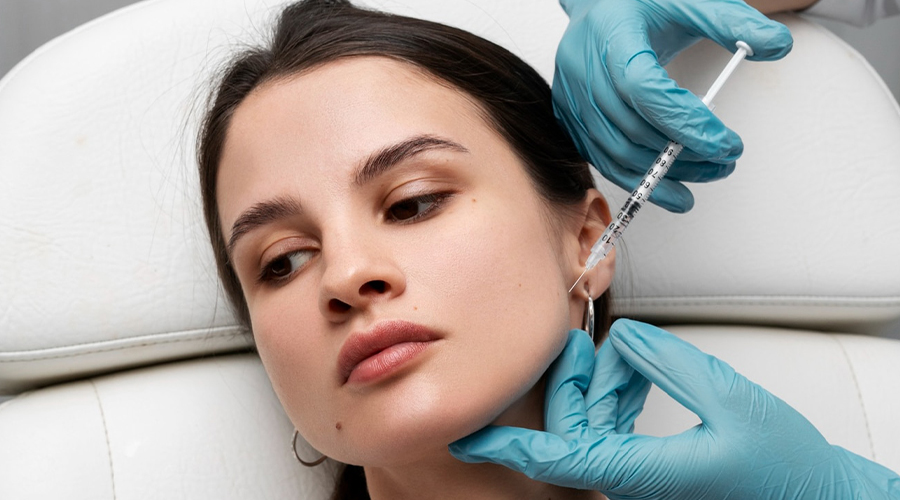
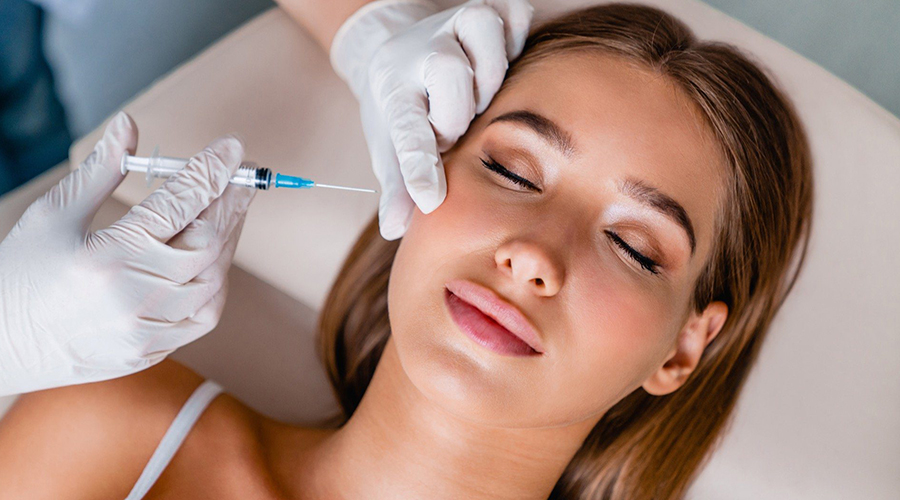
Migraine botox application differs significantly from a standard aesthetic botox procedure both in terms of technique and target areas. For this reason, the procedure must be performed by a neurologist or relevant specialist physician who has received training in the subject and has experience.
According to the standard application protocol, botulinum toxin is injected into a total of 31 to 39 points in the head and neck area. These points are located in specific anatomical regions covering the forehead, temples, back of the head, neck, and shoulder muscles. Each injection is made with extremely fine-tipped needles and the entire procedure is completed in an average of 20 to 30 minutes. In the event that the patient experiences more intense pain in certain areas, the physician can adapt the protocol to individual needs and make additional injections at extra points.
Migraine botox treatment is not a one-time application. As required by the protocol, the treatment is repeated every 12 weeks and the efficacy of the treatment cannot be fully evaluated until at least two sessions have been completed. While noticeable improvement is observed in some patients after the first session, in the vast majority the effect is seen to fully settle after the second and third sessions.
When Does Migraine Botox Take Effect?
When the effect of migraine botox will begin after application is among the topics patients are most curious about. While the effect becomes apparent within days in aesthetic botox applications, the process works somewhat differently in migraine botox.
After the first injection, a noticeable reduction in headache frequency generally begins within 2 to 4 weeks. However, the full and pronounced treatment effect manifests in most patients from the second session onward, meaning approximately 3 months after the start of the application. Clinical studies reveal that in the majority of patients receiving regular migraine botox treatment, the monthly number of headache days decreases by nearly half. In addition, a decrease in the severity of attacks, a shorter duration of pain, and a noticeable reduction in the need for rescue medication are also observed.
Points to Consider After Migraine Botox
Complying with several important rules after migraine botox application both increases the effectiveness of the treatment and prevents possible side effects.
Immediately after the procedure, touching the injection sites and massaging them should be avoided. Alcohol consumption and intense physical activity are not recommended for the first 24 hours. At least 4 hours should be waited before moving to a horizontal position; this period is important for the toxin to remain stable in the target areas. Due to the injections made to the neck and shoulder area, mild muscle pain or stiffness may be felt in the first few days; this passes quickly. Adhering to the follow-up plan determined by the neurologist and the 12-week application schedule after the procedure is of critical importance for the success of the treatment.
Differences Between Migraine Botox and Other Migraine Treatments
Migraine botox differs from other prophylactic treatments used in migraine management in many respects. Unlike medications requiring daily use such as beta blockers, antidepressants, and antiepileptics, migraine botox requires a single session repeated every 12 weeks. This constitutes an important advantage for patients overwhelmed by the daily medication burden.
Furthermore, the systemic side effects such as weight gain, sleep disturbances, concentration difficulties, and fatigue that oral prophylactic medications frequently bring with them remain at a much more limited level in migraine botox treatment. Since it is a regional application, botulinum toxin exerts its effect only in the areas where it is injected; its passage into systemic circulation is an extremely low probability. All these characteristics make migraine botox a powerful alternative particularly for chronic migraine patients who have drug tolerance problems and whose quality of life has significantly declined.
Frequently Asked Questions About Migraine Botox
1- Is migraine botox effective for every type of migraine?
Migraine botox is an approved and effective treatment method only in patients diagnosed with chronic migraine. The efficacy of this treatment has not been sufficiently proven in episodic migraine patients who experience headaches on 14 or fewer days per month. Eligibility assessment for treatment must be conducted by a neurologist.
2- How many sessions of migraine botox should be administered?
As required by the treatment protocol, migraine botox is repeated every 12 weeks. At least two complete sessions must be completed for efficacy to be fully evaluated. In patients who respond well to treatment, continuing the application on a long-term basis is recommended.
3- Can I continue using pain relievers after having migraine botox?
Migraine botox is a prophylactic treatment; it aims to prevent attacks. However, acute attacks may occasionally still occur during the treatment process. In such situations, it is possible to use rescue medications recommended by the neurologist. As the treatment progresses, a noticeable decrease in the need for rescue medication is also observed.
4- What side effects can migraine botox cause?
The most frequently observed side effects are temporary pain, mild swelling, and redness at the injection site. Following injections to the neck and shoulder area, a few days of muscle stiffness and pain may be felt. Rarely, headache, neck weakness, or temporary drooping of the eyelid may be observed; these symptoms resolve on their own in a short time.
5- What happens if migraine botox treatment is interrupted?
When migraine botox applications are interrupted, the protective effect provided by the treatment begins to diminish over time and a re-increase in migraine attacks becomes possible. For this reason, continuing the treatment regularly and establishing a follow-up plan under physician supervision are of great importance.
 Türkçe